Making Boring Tasks Interesting: How AI Can Help ADHD Brains Pay Attention

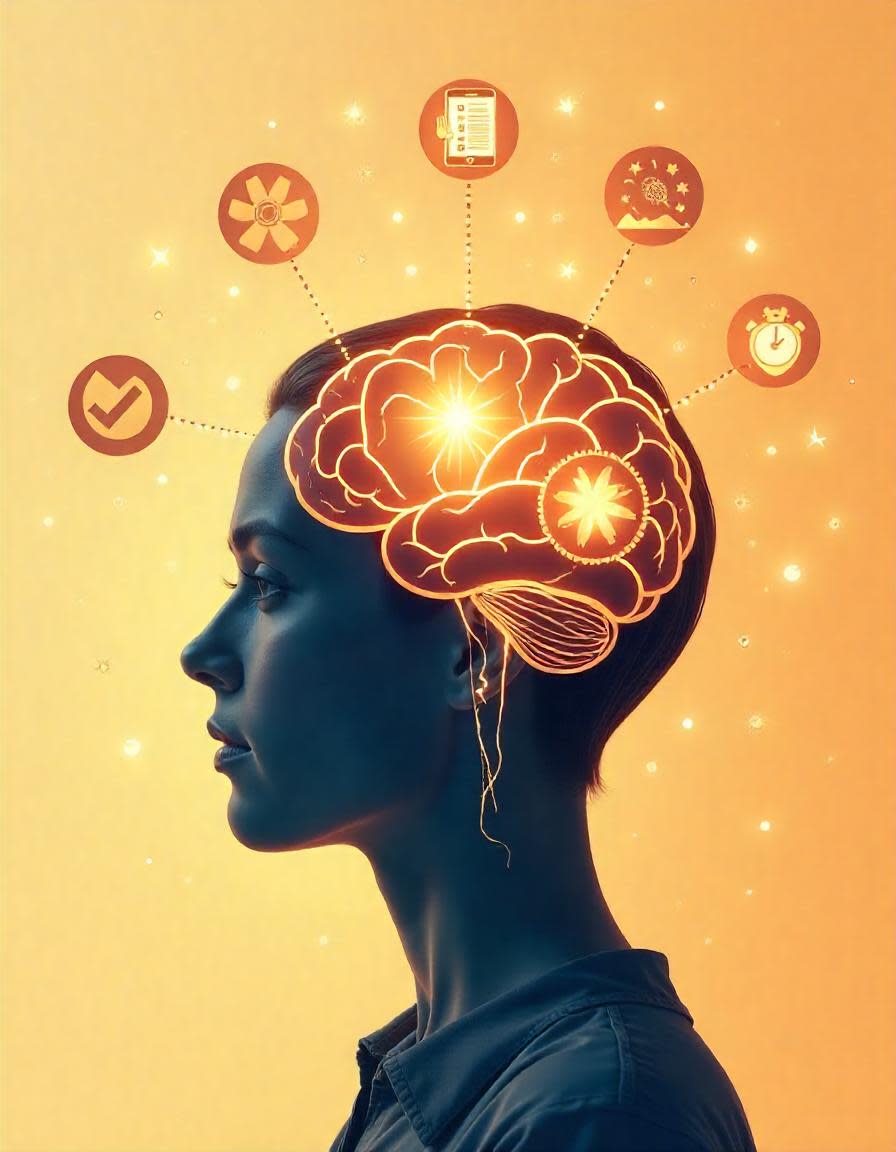
For people with ADHD, the challenge isn’t always knowing what to do — it’s getting their brain to care enough to do it.
Boring, repetitive tasks don’t register as urgent. Even important ones can feel invisible if they’re not engaging. This isn’t laziness — it’s how ADHD brains regulate attention. They chase stimulation, not duty.
That’s where AI comes in: not to force focus, but to spark interest in just the right way.

1. Turning Tasks Into Challenges
ADHD Problem: Boring tasks = brain disengaged.
AI Solution: Turn routine tasks into small, winnable games.
Example: An AI assistant like MotionMind creates a 10-minute “Focus Quest” for your morning admin work. You pick a soundtrack, set a timer, and get visual feedback as you go — like a mini progress bar or coins earned per task.
At the end, it says:
“You just cleared 5 tasks in 9 minutes. Want to level up tomorrow’s challenge?”
This kind of challenge format makes dull tasks more like missions — instantly more appealing.

2. Creating Just Enough Novelty
ADHD Problem: Repetition kills motivation.
AI Solution: Inject novelty into how the task shows up.
Example: An app like Notion AI could vary your task titles and tones:
Instead of “Submit timesheet,” it says “Send your cash-summoning document ”
Monday’s checklist has a minimalist layout; Thursday’s adds a splash of color or a new font.
Even tiny visual or language tweaks prevent mental fatigue and help the brain re-engage.

3. Personalized Reward Systems
ADHD Problem: Generic rewards don’t motivate.
AI Solution: Tailor rewards to what you actually respond to.
Example: An AI like Reclaim.ai tracks when you complete high-friction tasks — like “email clean-up” or “weekly planning” — and immediately triggers a reward: it unlocks your Spotify, shows a celebratory GIF you love, or opens YouTube for a 5-minute break you earned.
Over time, it learns which tasks are hardest for you and attaches instant, satisfying rewards to them — not after the project, but after the effort.

4. Smart Sequencing of Tasks
ADHD Problem: Starting is hard. Switching is harder.
AI Solution: Reorder tasks to match energy and mood patterns.
Example: Imagine using an app like Sunsama with AI scheduling. It notices that you’re sharpest around 10 a.m. and sluggish at 2 p.m.
So it lines up your task list like this:
10:00 — “Write project draft (high energy)”
12:30 — “Inbox triage (low mental load)”
2:30 — “Walk + listen to voice notes (movement + audio = easier focus)”
This sequencing keeps attention flowing, instead of forcing unnatural switches.

5. Using Context to Catch Your Focus
ADHD Problem: Energy fluctuates, unpredictably.
AI Solution: Use real-world context to make timely, interesting suggestions.
Example: A context-aware assistant like Pi or Apple Intelligence (future version) notices you’ve been inactive for 30 minutes. You’re on Chrome. Slack is open but idle. It softly suggests:
“Want to do a 3-minute focus sprint on that thing you’ve been avoiding? I’ll block distractions and you can stop anytime.”
If you say yes, it launches a simplified workspace, blocks distractions, and starts a quiet timer. No pressure. Just the right nudge at the right time.
The Big Idea: Build Interest First. Attention Will Follow.
People with ADHD don’t lack attention — they struggle to control it. Boring, flat tasks don’t offer enough stimulation to get their brain on board. But with AI acting as a smart, adaptive support system, tasks can be reframed to feel:
Timed, not open-ended.
Rewarding, not draining.
Playful, not punishing.
And that shift can change everything.
Because once a task becomes interesting — even slightly — attention is no longer something you have to force.
It becomes something that flows naturally.